There are so many aspects to saddle fitting that the process can be a bit daunting. Many know that the saddle needs to be the correct width for the horse. Some understand that the front of the saddle comes in two basic shapes, standard/ A shaped or dome/hoop shaped and some may have read our previous articles about understanding that there are important differences in longitudinal shape. Some saddles have straighter trees and panels than others and that can greatly influence the shape and fit.
However, there is much more to fitting the saddle than what is mentioned above. Did you ever stop to think about how the back of the saddle is shaped? I’m referring to the size and shape of the rear panels. They also play a very important role in saddle fit..
Picture a horse with a very flat back.
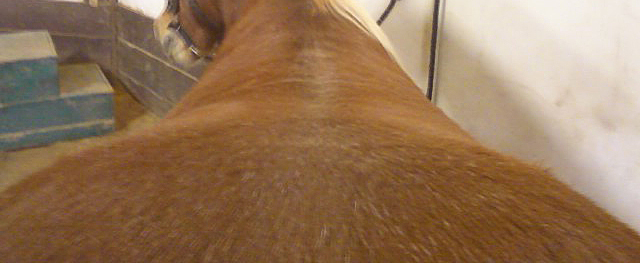
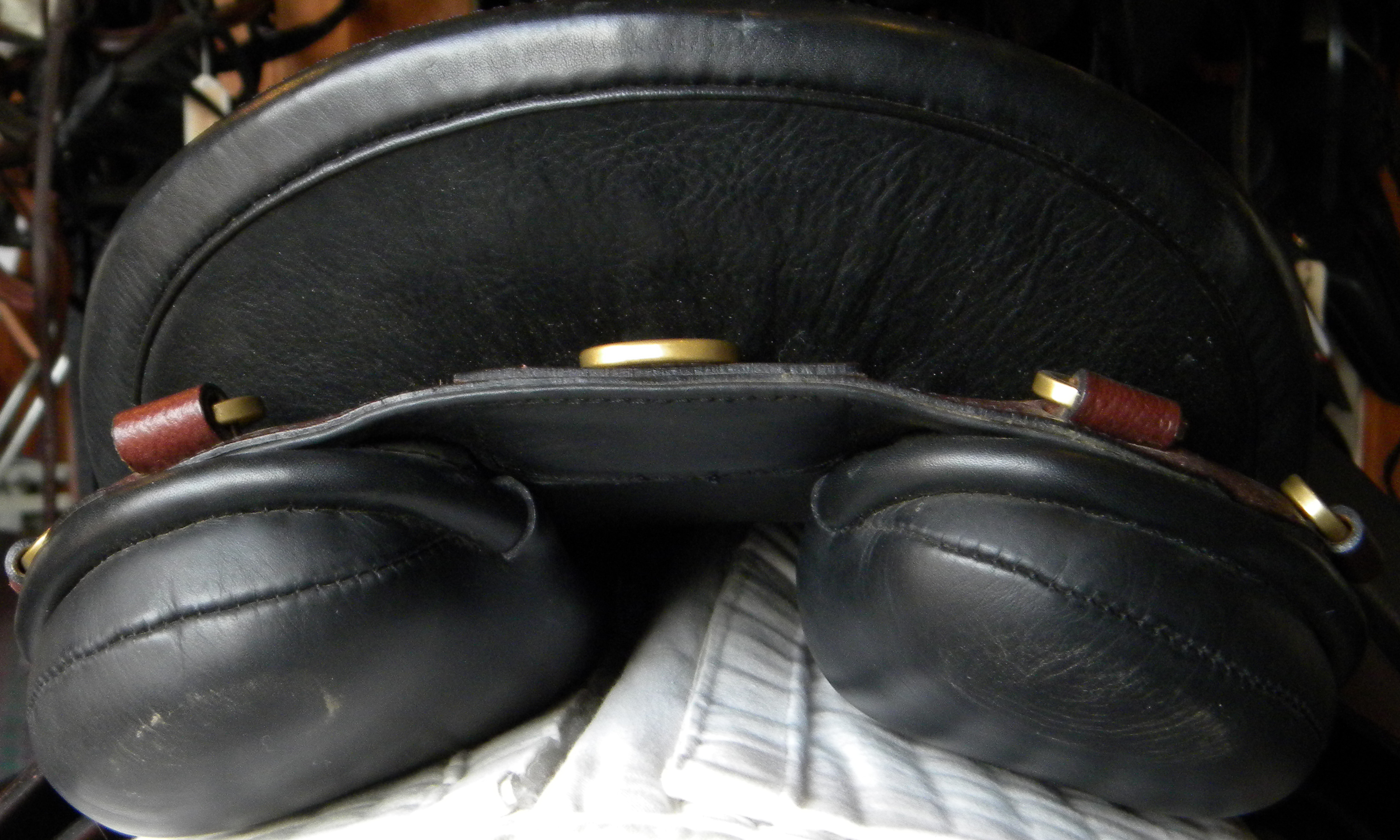
This horse might need a panel that has more weight bearing surface, i.e.,wide, flat, broad panels as in some of the Duett saddles.
For a horse that is more “roof” backed, wide flat panels may stick out beyond the back like the wings of a plane and concentrate the pressure in the smaller spot where it makes contact. The mismatched shape will also increase the instability of the saddle on the horse’s back. A saddle such as the Black Country Eden, Frank Baines Reflex, or Fairfax might be a good choice.

The gullet channel is another consideration. Some gullet channels are very wide and some are narrow. If we put a saddle with a narrow gullet channel on a horse with a broad spine, the saddle will cause painful pressure along the spine, possibly shift side to side and cause friction issues as well.
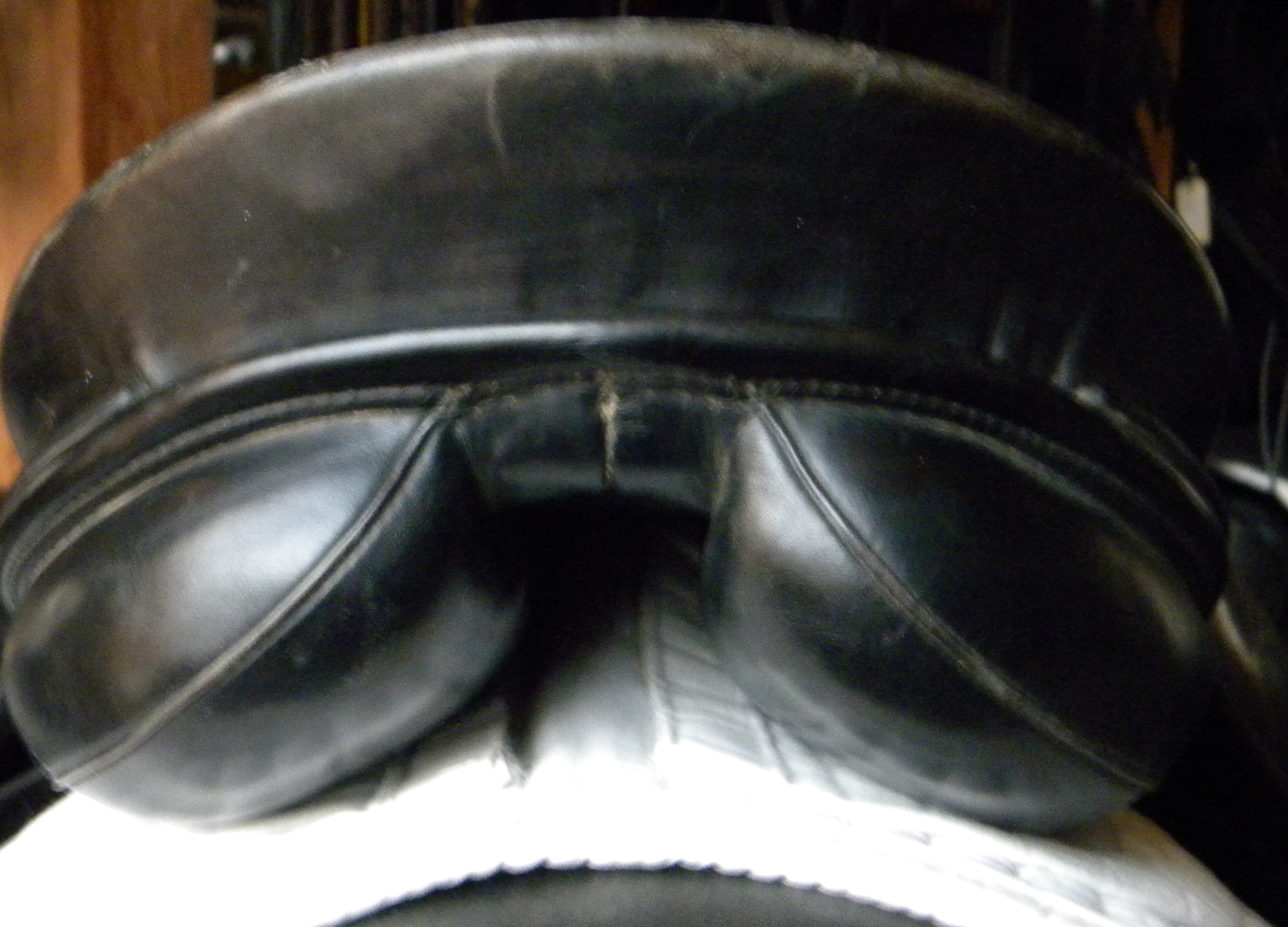
Narrow Gullet Channel
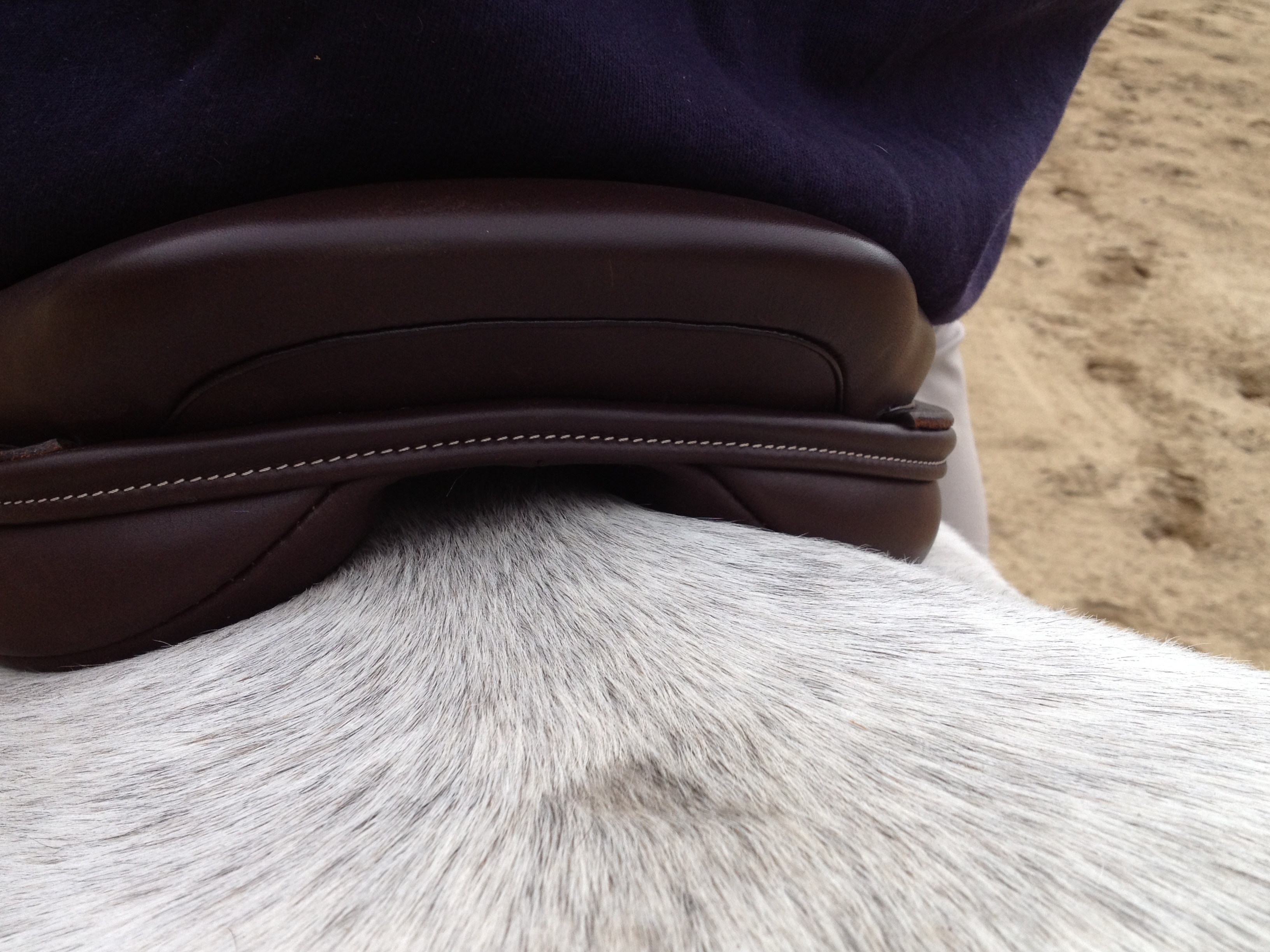
Wide Gullet Channel
Conversely, if we put a saddle with a very wide gullet channel on a horse with a narrow spine or roof back shape, the gullet may sit right down on the spine and the panels will make contact further down the sides of the horse causing undue pressure, saddle instability and friction. Repetitive friction or pressure can develop into physical issues. That can also make for one cranky horse.
For a horse such as the typical Thoroughbred, a saddle that has a little more curve side to side may be desirable since the we want to have the saddle make contact as much as possible.
If one was to put a very longitudinally straight saddle on a horse that has the topline below, the pressure would be concentrated on the front and rear of the saddle making it very uncomfortable for the horse and leading to potential problems down the road. A tree that is too curvy on a horse with a straighter topline can create a fulcrum point on the horse causing a rocking situation and putting too much pressure in isolated spots. (But back to the “back end”).

A horse with a more moderate back, such as is the case with many Warmbloods, might have a croup that has a nice round shape, not flat and not angular.
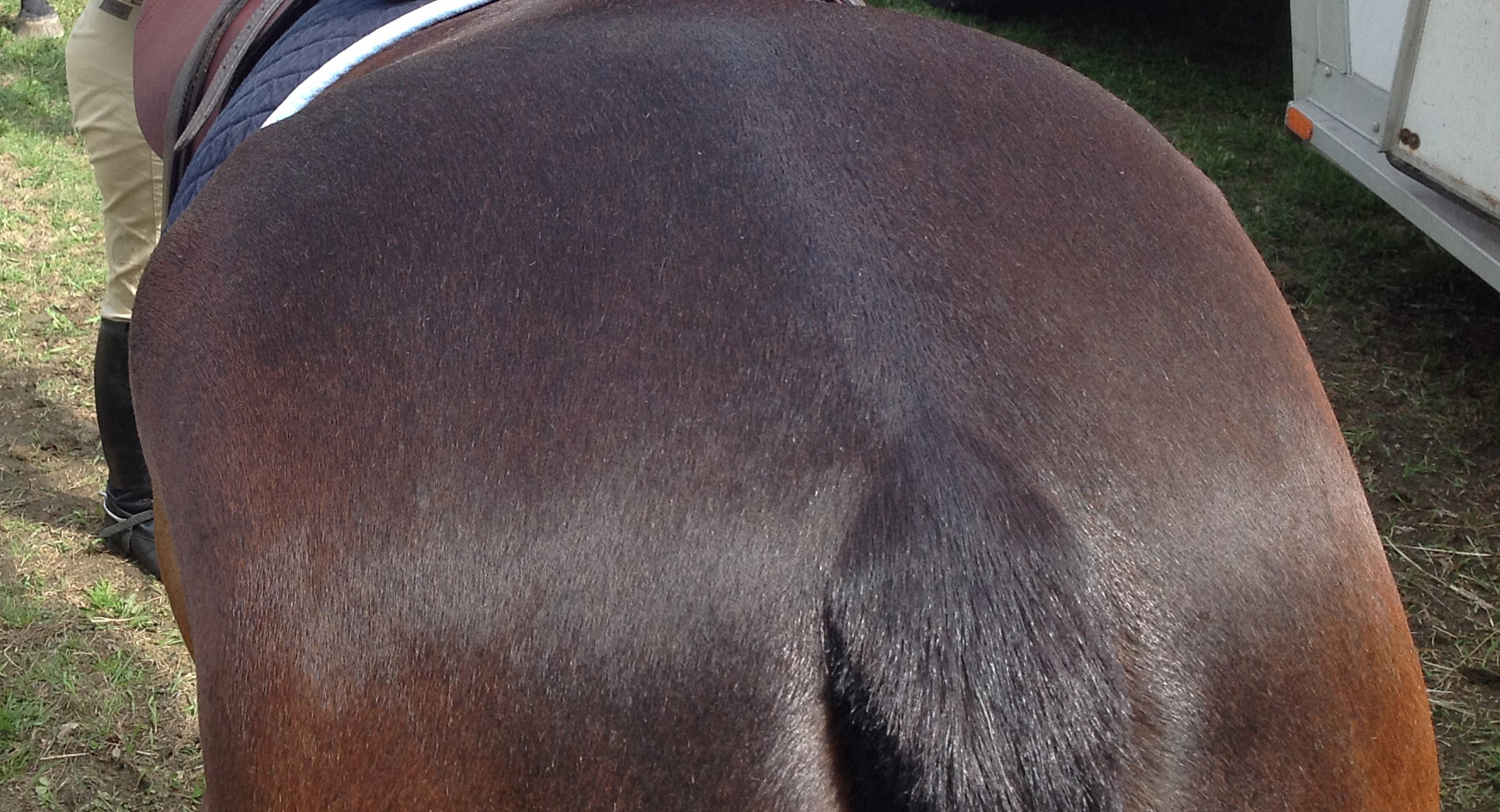
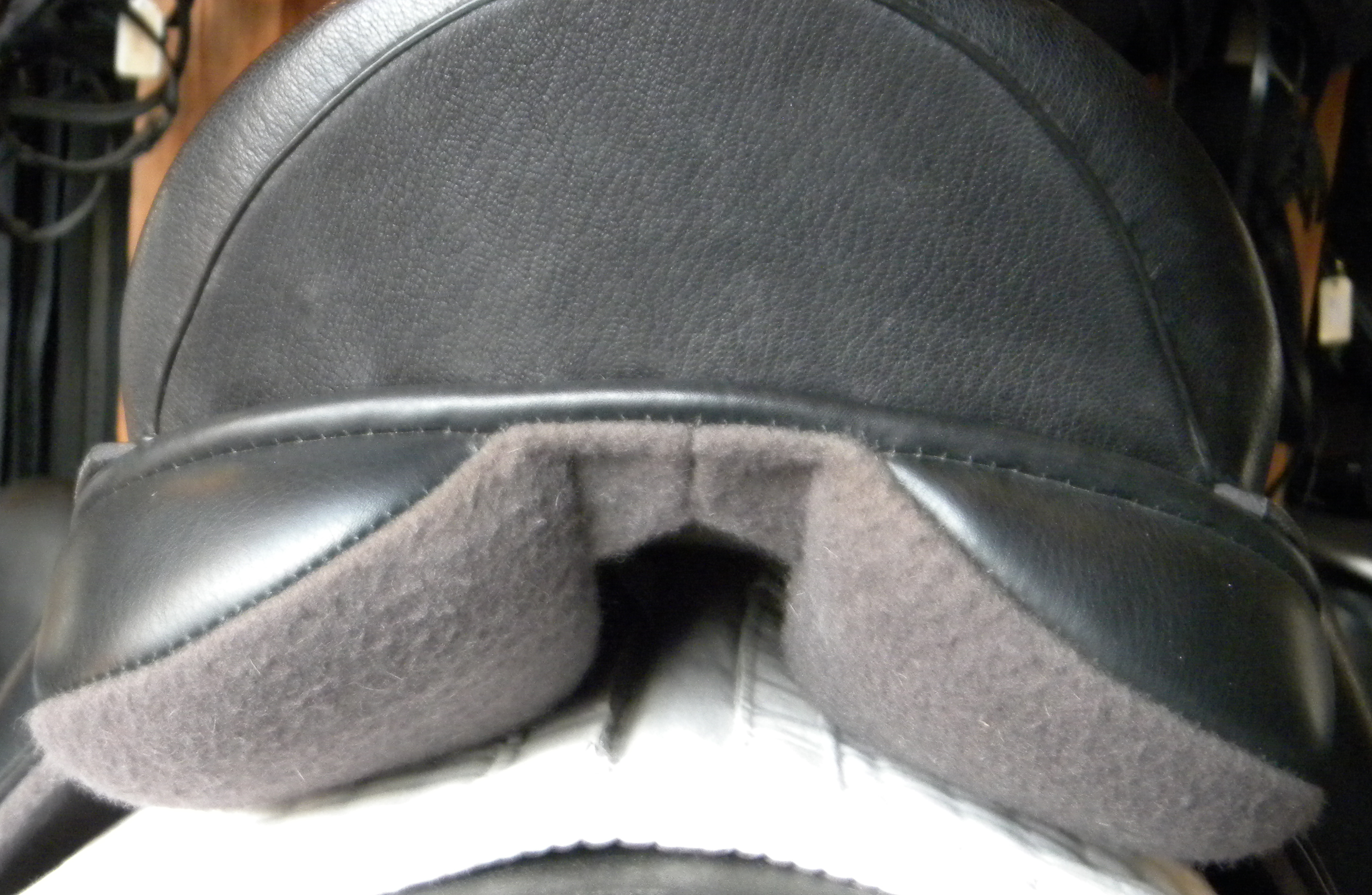
A saddle with a more moderate curve such as the one below, the BC Eloquence X could very well be the perfect choice.
Saddle fitting can be a little like Goldilocks and the Three Bears. You may have to try a few to get the one that is just right! It is a process but educating yourself and getting a feel for your horse’s shape gives you a step up as you search or select saddles that pique your interest. At least you can narrow down the choices.